

What Is a Medical Courier and Why Are They Important in Healthcare?

Healthcare depends on the safe and timely movement of medical materials every day. From laboratory specimens and pharmaceuticals to medical supplies and diagnostic materials, healthcare organizations rely on transportation providers to move critical items between facilities. This specialized role is performed by medical couriers.
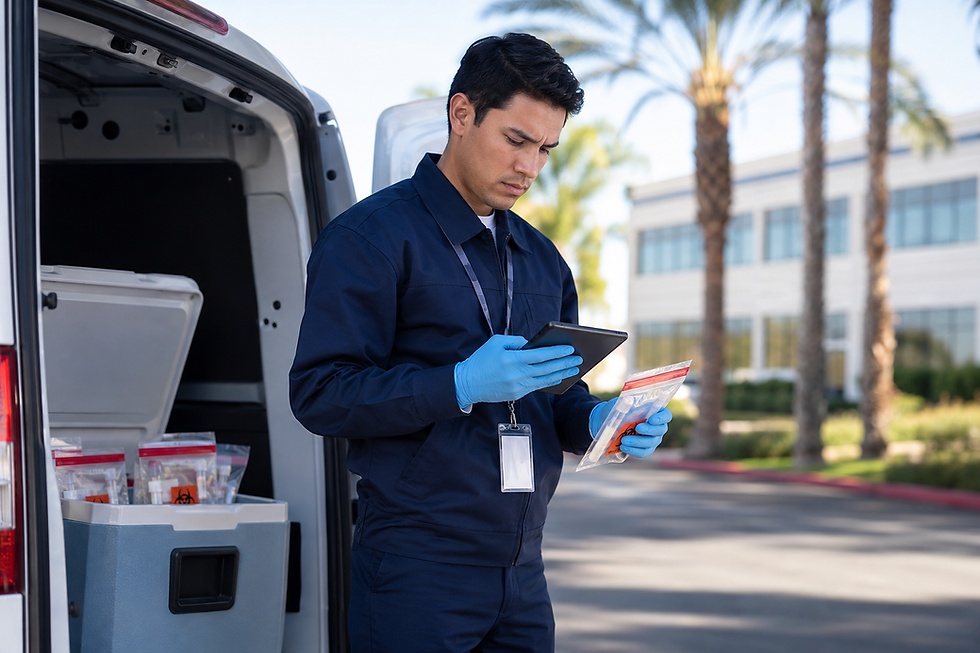
A medical courier is a transportation professional who specializes in the pickup, handling, and delivery of healthcare-related materials. Unlike traditional package delivery services, medical couriers operate within the unique requirements of the healthcare industry, where timing, documentation, confidentiality, and proper handling procedures are often essential.
What Does a Medical Courier Transport?
Medical couriers transport a variety of healthcare-related materials, including:
Laboratory specimens
Blood and urine samples
Diagnostic materials
Pharmaceuticals and prescription medications
Medical supplies and equipment
Healthcare documents
Time-sensitive healthcare shipments
Depending on the shipment, couriers may be required to follow specific handling procedures, maintain documentation, or use specialized transport equipment to help protect the integrity of the items being transported.

How Are Medical Couriers Different From Traditional Delivery Services?
Traditional courier and parcel delivery companies are designed to move a wide range of packages through large transportation networks. While these services are highly effective for general shipping, healthcare deliveries often require a more specialized approach.
Medical couriers typically provide direct transportation between healthcare facilities, reducing unnecessary handling and transfer points. This can be particularly important for time-sensitive shipments such as laboratory specimens or urgent healthcare deliveries.
Medical courier services may also utilize chain-of-custody documentation, secure handling procedures, and temperature-management practices depending on the nature of the shipment.
Why Are Medical Couriers Important in Healthcare?
Medical couriers help support the flow of materials that healthcare organizations depend on every day.
Consider a routine laboratory specimen collected at a clinic. The specimen must often be transported to a testing laboratory within a specific timeframe. Delays or improper handling could potentially affect testing processes and operational efficiency.
Similarly, pharmacies, clinics, hospitals, and healthcare providers frequently rely on transportation services to move medications, supplies, and other critical materials between locations.
By providing dedicated transportation services, medical couriers help healthcare organizations focus on patient care while ensuring important materials reach their destinations.
Common Organizations That Use Medical Couriers
Medical courier services are commonly used by:
Hospitals
Medical clinics
Urgent care centers
Diagnostic laboratories
Pharmacies
Surgery centers
Healthcare networks
Specialty medical practices
Many organizations use medical couriers for scheduled daily routes, while others utilize on-demand or STAT delivery services when urgent transportation needs arise.
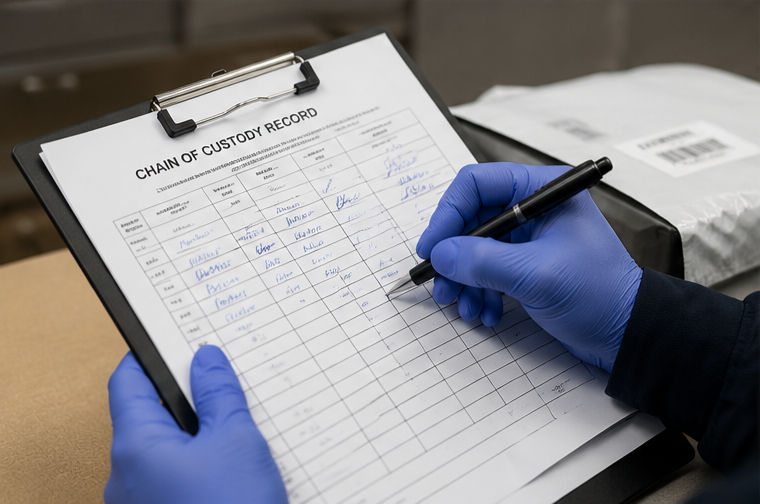
What Is Chain of Custody?
Chain of custody refers to the documented tracking of an item as it moves from one party to another. In healthcare logistics, chain-of-custody procedures help provide accountability and visibility throughout the transportation process.
Documentation may include pickup information, delivery confirmation, timestamps, and signatures when required. These records help create a documented transportation history for the shipment.
Chain-of-custody procedures are one of the factors that distinguish medical courier services from standard package delivery.

The Role of Temperature-Controlled Transport
Certain healthcare materials may require protection from environmental conditions during transportation. Temperature-controlled transport is designed to help maintain appropriate conditions for temperature-sensitive items such as certain laboratory specimens, pharmaceuticals, and healthcare products.
Depending on the shipment requirements, insulated transport containers, cold packs, and temperature-management procedures may be used to support product integrity during transit.
Medical Courier Services in Ventura County
Healthcare facilities throughout Ventura County depend on reliable transportation solutions to move important medical materials between locations. Clinics, laboratories, pharmacies, and healthcare providers often require transportation services that understand the unique needs of healthcare logistics.
Whether transporting laboratory specimens, medical supplies, pharmaceuticals, or urgent healthcare shipments, medical couriers play an important role in supporting the healthcare supply chain.
Conclusion
Medical couriers serve as a vital link within the healthcare system by providing specialized transportation services for medical materials. Through dedicated delivery routes, secure handling practices, chain-of-custody procedures, and timely transportation, medical couriers help healthcare organizations move critical shipments efficiently and reliably.
As healthcare continues to rely on the movement of specimens, medications, supplies, and diagnostic materials, medical courier services remain an important component of modern healthcare logistics.


Comments